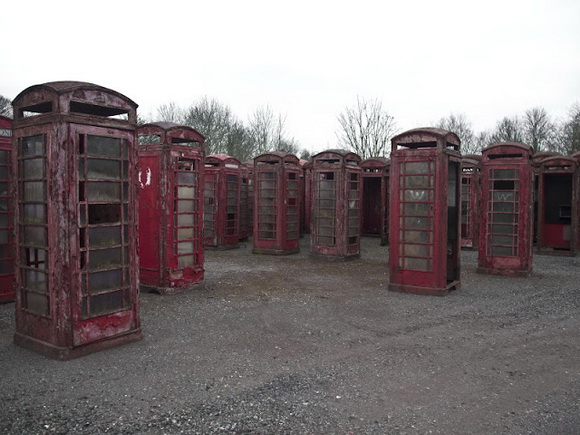
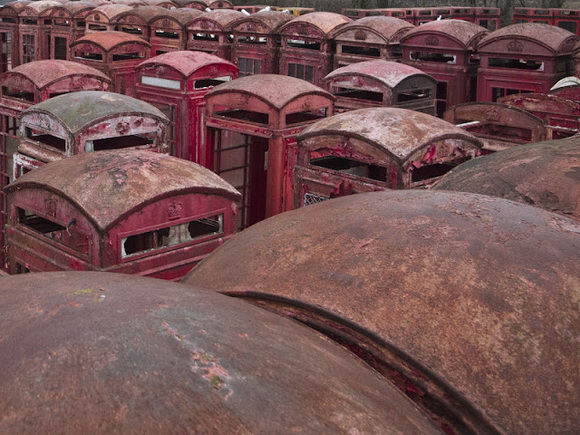
The phone booth is a less and less common artefact of the pre smart phone world but where do they go to die? According to the website worldgeography.com in the UK they go to a phone booth graveyard located between Ripon and Thirsk, near the village of Carlton Miniott.
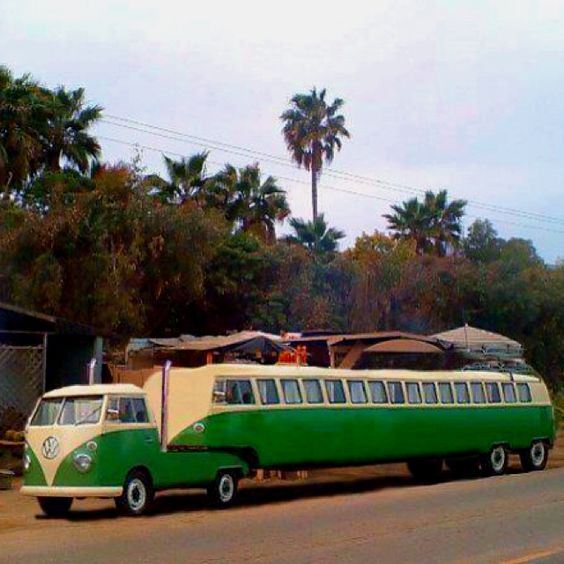
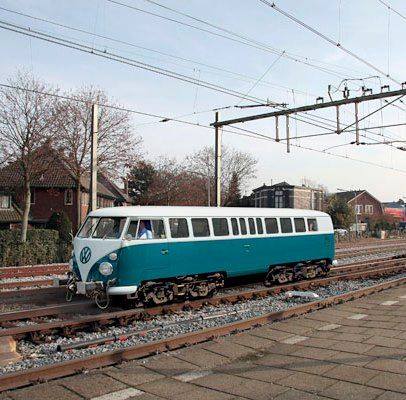
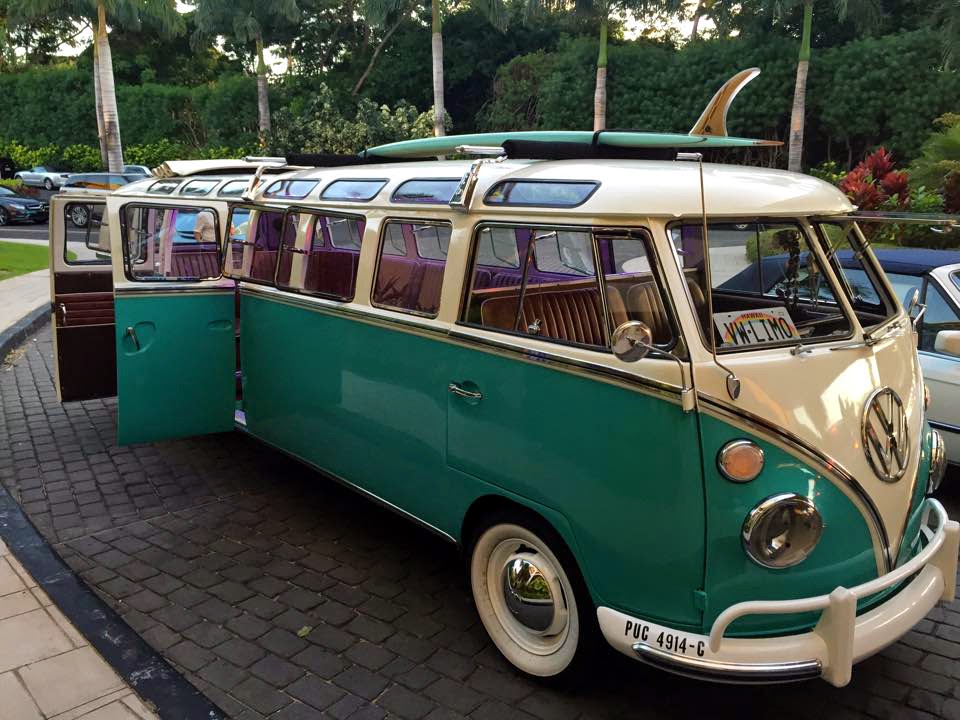
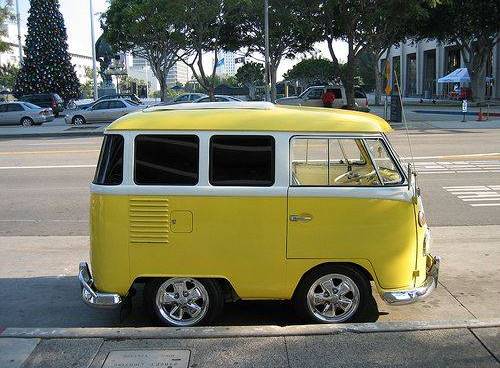
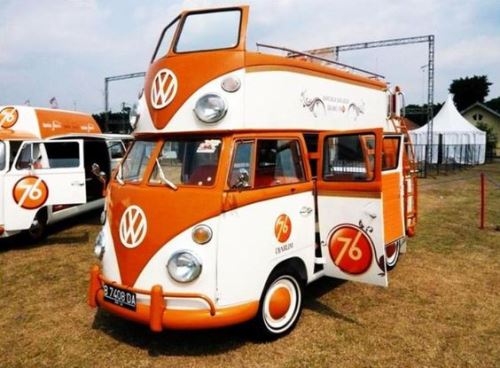
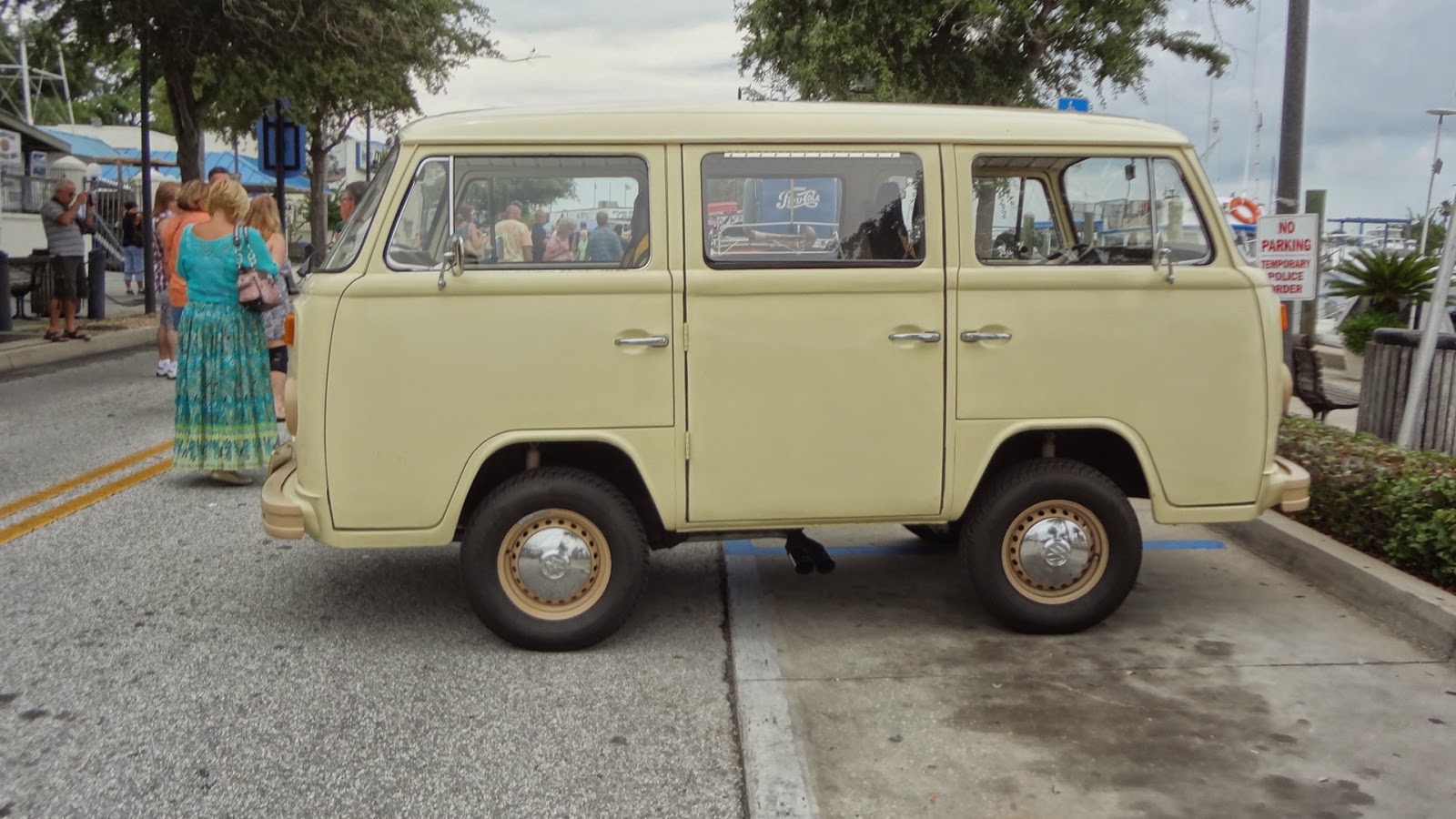
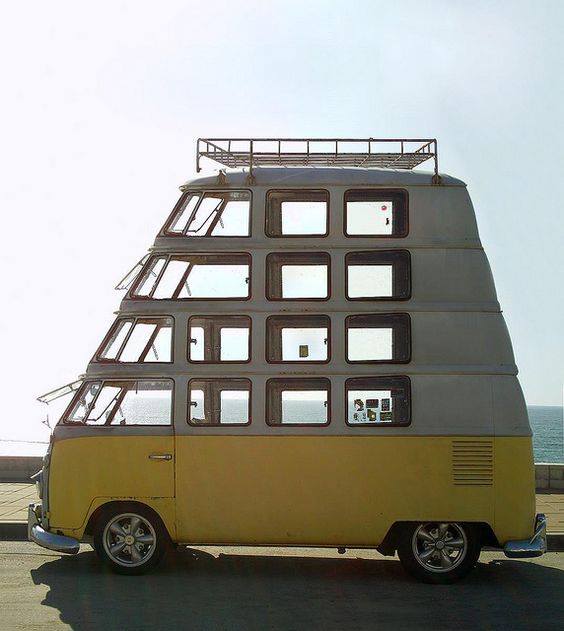
The VW Type 2 or Kombi, known by many names both officially and informally including the Transporter, Bus or Camper, has a loyal and eclectic following and has "spawned" many and varied customizations ranging from simple to complex to downright extreme.
A few days ago I posted a photo of a "high rise" VW Kombi and that prompted me to look for other examples of "custom" Kombi's; a few of my favorites are shown below. Google searches will bring up many more examples.
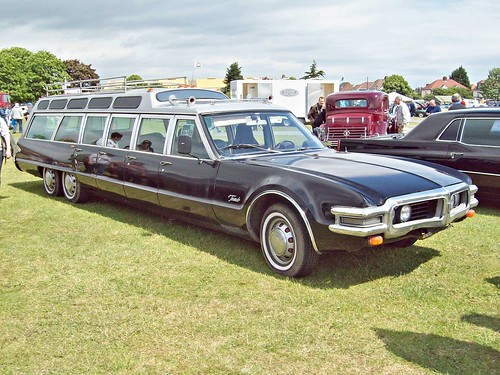
Following on from yesterday's post "They Don't Make Them Like That Anymore" today sees "Part 2", this awesome looking 1968 Oldsmobile Toronado Limo based on the Oldsmobile Tornado two door Coupe [more info can be found here].
They sure do not make things like they used to! As a youngster I would hear older folks say that and I would swear to myself I would never become "that old guy" but of course we all do in the end. Case in point; car design where, for the most part, these days they all look like they come out of the same mold because of the constant drive for cars designed by computers with ever better aerodynamics in order to get the best gas mileage.
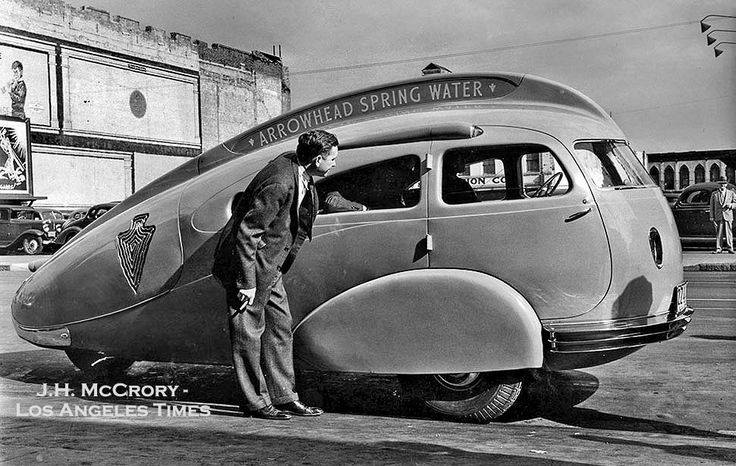
That was not always the case of course, aesthetics took more prominence in a far greater number of design decisions in times gone past, and the Arrowhead car seen below certainly demonstrates that.
Designed in 1936 by W. E. Miller for Arrowhead Water and featuring a striking teardrop shape, round and wide in the front tapering to a point at the back, that was aimed at promoting the company's product by calling to mind a drop of water thus meeting the primary requirement of a marketing vehicle by providing a strong visual connection to the product being marketed.
According to Hemmings.com the vehicle was a great success but lasted only a single year as it was completely destroyed in a wreck in 1937.
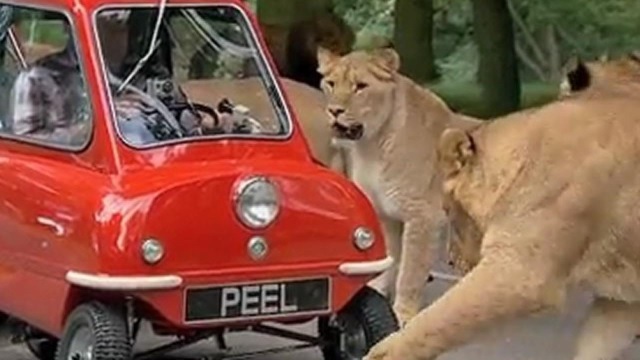
Tired of trying to park in the crowded city streets, need better gas mileage? Then take a look at the Peel P50, the world's smallest production car [2010 Guinness Book Of Records].
The Peel P50 is a three-wheeled that was originally manufactured from 1962 to 1965 by the Peel Engineering Company on the Isle of Man. There was no reverse gear but there was a handle at the rear that allowed the very lightweight car [130 lbs unladen] to be physically maneuvered when required. There was one door, one wiper and one headlight and the Peel achieved a gas mileage of around 100 mph. It sold for around £200; according to usinflationcalculator.com and exchange rates as of 051416 that equates to around $2240 today. Only about 50 Peel's were produced of which around half are thought to still exist but:
You can own a Peel!
In 2010 Peel Engineering Limited began manufacturing Peels again and, while described as a limited edition, the company's website [as of the time of writing] indicates they can still be purchased. Though faithful to the original the new Peels do have updates to make them "street legal" in the 2010's including a reverse gear. Both petrol and electric models are available.
However if the Peel "is you" you should note that they do seem a little pricey for their diminutive size with the petrol model running £12999 plus tax; the electric model is £600 less. To register your interest you can contact the compaby on their website, call them on +44 207 097 5119 or email info@peelengineering.co.uk.
For a better look at the Peel here is a 2008 BBC TV Top Gear feature on the Peel; check out the parking at BBC HQ!